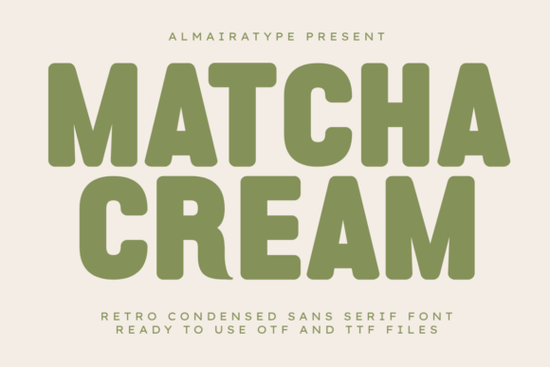
If you're looking for a bold, friendly sans serif font that works as well on a coffee bag as it does on a Cricut-cut sticker or a POD t-shirt, Matcha Cream Font fits the need without overcomplicating things. It’s not overly decorative or hard to read at small sizes just clean, warm, and intentionally retro. Think of it as the kind of typeface you’d see on a vintage matcha latte poster or a small-batch ceramic mug label: confident but approachable, structured but soft around the edges.
What makes Matcha Cream different from other condensed sans serifs?
Most condensed fonts sacrifice legibility or personality to save space. Matcha Cream avoids that trade-off. Its rounded geometric shapes give it subtle friendliness, while its tight, consistent spacing keeps it sharp and modern. Unlike many retro-inspired fonts that lean too heavily into 70s kitsch, this one feels updated like it belongs on an Instagram shop banner and a hand-printed tote bag.
It’s also built for real-world use. The outlines are smooth vector paths, meaning no jagged edges when you scale it up for a wall decal or shrink it down for a tag label. That’s why designers who work with craft cutting machines especially those using Matcha Cream Font consistently report clean cuts and easy weeding, even on intricate letters like “S” or “G”.
Who uses Matcha Cream and where does it work best?
You’ll find it most often in these practical, everyday creative contexts:
- Food & beverage branding especially matcha, tea, coffee, or bakery labels where warmth and clarity matter
- Apparel design think minimalist t-shirts, embroidered caps, or screen-printed sweatshirts with short, punchy slogans
- Print-on-demand shops it converts well because it reads instantly, even in thumbnail size on Etsy or Redbubble
- Craft projects vinyl decals, enamel pins, greeting cards, and DIY home décor where legibility and charm both count
- Social media graphics banners, story text overlays, and product promo posts where you need impact without clutter
How does it pair with other fonts?
Matcha Cream shines as a headline or logo font not as body text. It pairs naturally with neutral, open sans serifs (like Silvara Font) for contrast without clash. For example: use Matcha Cream for your shop name or product title, then Silvara for descriptions, pricing, or ingredient lists. That combination gives structure and rhythm without feeling forced or trendy.
It also works well with simple serif fonts if you want a touch of quiet elegance say, pairing it with a light-weight serif for a café menu or artisan packaging. Just avoid fonts with heavy contrast or extreme flourishes; Matcha Cream’s strength is its balance, so keep supporting typefaces equally grounded.
Is it compatible with my tools?
Yes and that’s part of why it’s popular among crafters and small business owners. The font files include OTF and TTF formats, which work natively in Cricut Design Space, Silhouette Studio, Adobe Illustrator, Canva (via upload), and most major design and cutting software. No extra plugins or conversions needed. If your workflow includes vinyl cutting, heat transfer, or sublimation printing, you won’t run into rendering issues or missing glyphs.
It also includes standard Latin characters, numerals, basic punctuation, and multilingual support for Western European languages enough for most small-batch labels, social posts, and storefront signage.
Where can you see it in action?
Scroll through recent designs on Creative Fabrica tagged “retro sans serif,” “condensed font,” or “POD typography,” and you’ll spot Matcha Cream Font in dozens of real projects: kombucha bottle wraps, yoga studio merch, ceramic studio logos, and even handmade candle packaging. Its consistency across applications isn’t accidental it was designed to perform, not just look good in a mockup.
Before you download or license it, ask yourself:
- Do I need a bold, readable font for headlines, logos, or product names not long paragraphs?
- Will I be using it with cutting machines or print-ready layouts where clean vectors matter?
- Am I aiming for a warm, slightly nostalgic feel but not cartoonish or dated?
- Do I already have a simpler supporting font (like Silvara) to balance it?
If you answered yes to three or more, Matcha Cream is likely a solid fit for your next project.
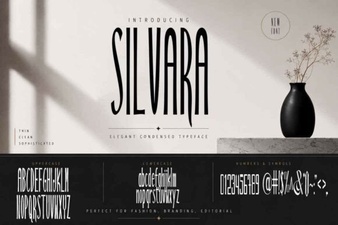 Silvara Font: Elegant Design for Creative Projects
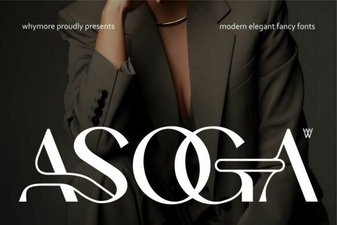 Asoga Font: Creative Design & Versatile Typography
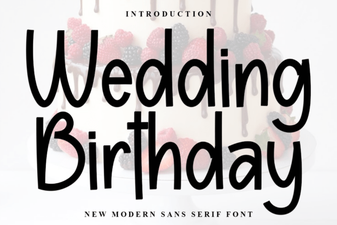 Elegant Wedding & Birthday Font Collection
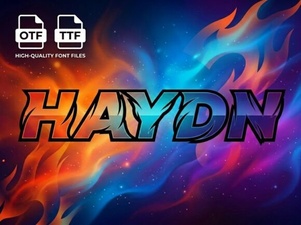 Haydn Font: Elegant & Versatile Design Inspiration
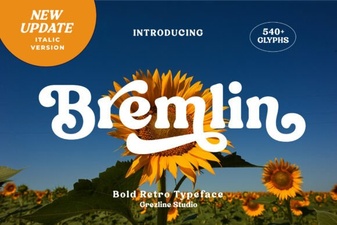 Bremlin Italic: Elegant Design & Creative Typography
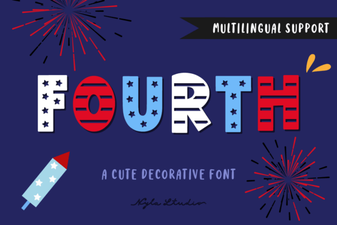 Fourth Font: Creative Typography for Design Projects