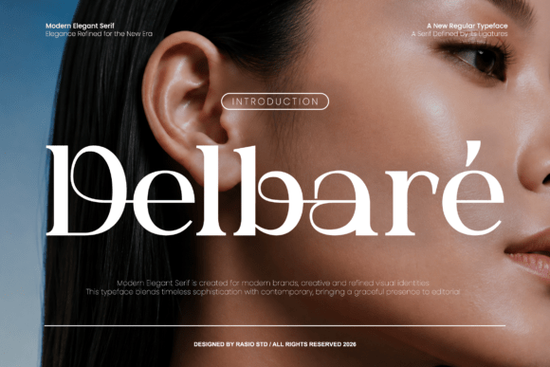
If you're looking for a serif font that feels both modern and timeless something with personality but still highly readable for headlines, logos, or packaging Delbare Font is worth your attention. It’s not an all-purpose workhorse like some text fonts, but rather a display-focused serif designed to make a quiet, confident impression. Think of it as the kind of typeface you’d choose when you want your brand name or cover title to feel intentional, refined, and just a little bespoke without veering into overly ornate territory.
What makes Delbare different from other modern serifs?
Delbare stands out because of its subtle but thoughtful details: high-contrast strokes (thick verticals paired with fine horizontals), graceful ligatures that flow naturally between letters like “fi”, “fl”, and “ct”, and proportions that balance elegance with clarity. These aren’t just decorative flourishes they’re functional. The ligatures, for example, help avoid awkward spacing or collisions in tight headline settings, especially at larger sizes. And because the design leans contemporary rather than historical, it avoids feeling dated or overly academic.
It works especially well where visual tone matters: boutique branding, wedding stationery, book covers, artisanal product labels, or even social media banners for small creative businesses. You’ll notice it doesn’t try to do everything it’s not meant for body text or long paragraphs but where it is used, it adds cohesion and polish.
Who’s using Delbare and why does it fit their needs?
Print-on-demand sellers appreciate how Delbare Font helps differentiate their designs on platforms like Etsy or Redbubble. A clean, elegant wordmark made with Delbare reads as more considered than generic sans-serifs especially alongside hand-drawn elements or minimalist layouts. Small business owners building their own identity (like local bakeries, yoga studios, or ceramic studios) often pair it with simple sans-serif companions for contrast say, pairing Delbare for the logo and a neutral geometric font for supporting text.
Designers working on editorial projects also reach for it when they need a serif that feels current but not trendy. Unlike some ultra-thin or exaggerated display fonts, Delbare holds up well across print and screen, and its OpenType features (including those ligatures) are accessible in most design apps without extra setup.
How does it compare to similar serif fonts on Creative Fabrica?
If you’ve browsed our serif collection, you might also like Asoga, which offers a slightly warmer, more calligraphic rhythm great if you want gentle movement in your letterforms. Andore brings stronger vintage inspiration, with bracketed serifs and a balanced, classic structure ideal for heritage-style branding. For something bolder and more condensed, Bremlin Italic gives strong directional energy, while Gulder Radeon adds subtle tech-inspired geometry without losing serif warmth.
None of these replace Delbare they complement it. You might use Delbare Font for your main logo, then pick Asoga Font for a subheading or tagline to add texture without clashing.
Practical tips before you download
• Test it at real size not just in your font menu. Try setting your business name in caps and lowercase to see how the ligatures activate.
• Pair it thoughtfully: Delbare shines next to clean, low-contrast sans-serifs (like Inter, Poppins, or Montserrat) or even soft, rounded typefaces for contrast.
• Check licensing: The standard license covers personal and commercial use including POD, client work, and digital graphics but always verify if you plan to use it in apps, logos for resale, or physical products with embedded fonts.
• Use the ligatures intentionally. Most design tools auto-enable them, but in Canva or basic editors, you may need to turn on “stylistic sets” or “ligature” options in the font panel.
One last note: If you’re new to serif fonts or unsure where to start, try building a simple mockup first a logo lockup, a greeting card header, or a product label. See how Delbare behaves with your color palette and imagery. Often, the best way to judge a display font isn’t by looking at its letters alone, but by seeing how it supports your message and whether it feels like yours.
- ✅ Download Delbare Font and test it in your next headline or logo project
- ✅ Try one ligature combination (e.g., “The” or “with”) to see how the joins enhance readability
- ✅ Compare it side-by-side with Asoga or Andore to spot differences in rhythm and weight
- ✅ Save a version of your file with fallback text in case ligatures don’t render on all devices
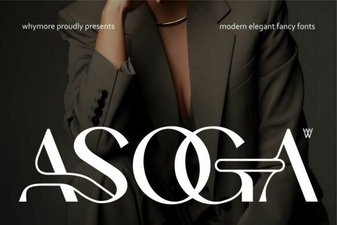 Asoga Font: Creative Design & Versatile Typography
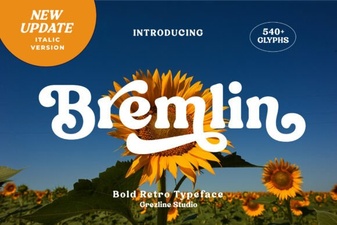 Bremlin Italic: Elegant Design & Creative Typography
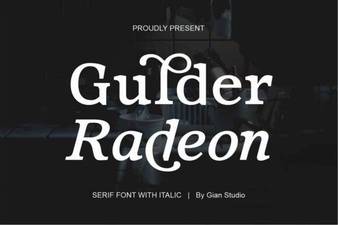 Gulder Radeon Font: Bold Design & Creative Typography
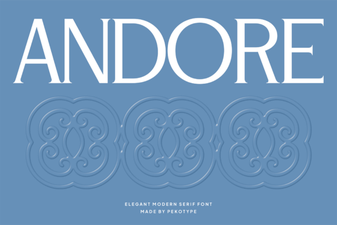 Andore Font: Elegant & Versatile Design Tool
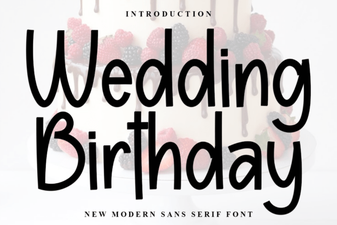 Elegant Wedding & Birthday Font Collection
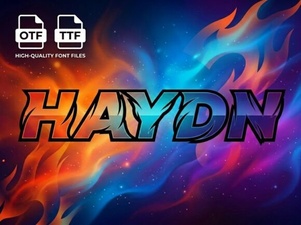 Haydn Font: Elegant & Versatile Design Inspiration