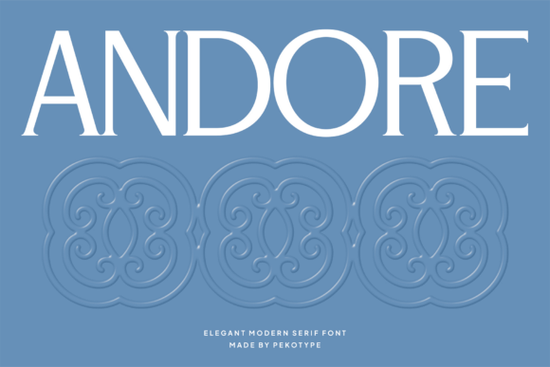
If you're looking for a modern serif font that feels both timeless and fresh something that works just as well on a wedding invitation as it does on a small-batch coffee bag Andore Font is worth your attention. It’s not overly ornate, but it’s never plain. The letterforms are carefully balanced, with gentle curves and consistent stroke contrast that give it quiet confidence. You’ll notice how smoothly it pairs with minimalist layouts or adds subtle sophistication to hand-drawn illustrations. It’s the kind of typeface that doesn’t shout but still gets remembered.
Where does Andore work best?
Because it’s designed with versatility in mind, Andore fits naturally into many real-world creative workflows. Designers use it for logo lockups where legibility and elegance matter think boutique skincare brands or local bookshops. Print-on-demand sellers appreciate how well it scales across mugs, tote bags, and greeting cards without losing clarity. Crafters building digital kits often pair it with soft watercolor textures or clean line art. Even if you’re designing a simple Instagram story for your side-hustle bakery, Andore adds polish without feeling stiff.
It’s especially effective when you want to suggest quality or care like on artisanal product labels, editorial headers, or event stationery. Unlike some high-contrast serifs that can feel formal or dated, Andore keeps things approachable. Its lowercase ‘a’ and ‘g’ have open, friendly shapes, and the spacing between letters feels generous not cramped or crowded.
How does it compare to other modern serifs?
You might already be familiar with Bremlin Italic Font, which leans more expressive and calligraphic great for accents or short quotes, but less ideal for body text or full branding systems. Gulder Radeon Font has stronger geometric bones and works well for tech-adjacent or contemporary fashion projects. Meanwhile, Asoga Font offers a slightly warmer, more handwritten rhythm ideal for lifestyle blogs or handmade goods. Andore sits comfortably between them: refined but relaxed, structured but not rigid.
For those who like to build cohesive design systems, pairing Andore with Delbare Font creates a natural hierarchy use Delbare for bold headlines or pull quotes, and Andore for subheads or short paragraphs. Or try layering it with Andore Font itself in different weights (if available) for subtle variation without visual clutter.
What file formats and features does it include?
The Andore Font package typically includes OTF and TTF files, making it compatible with most design tools from Adobe Creative Cloud to Canva (via upload), Cricut Design Space, and Silhouette Studio. It supports standard Latin characters and common punctuation, so it’s ready for English-language projects right away. Some versions also include stylistic alternates, ligatures, and extended language support check the product page for exact details before downloading.
Since it’s a single-style serif (not a full family with dozens of weights), it’s best suited for projects where consistency matters more than dramatic contrast. That makes it easy to learn and quick to implement no need to memorize which weight goes where. Just install, type, and adjust tracking or size as needed.
Who is this font really for?
Small business owners who handle their own marketing will find Andore helpful for maintaining brand consistency across flyers, email headers, and social posts without hiring a designer every time. Hobbyists creating printable planners or scripture journals appreciate how readable it stays at small sizes. Teachers designing classroom posters or lesson handouts get clean, accessible typography that students can actually focus on not squint at. And if you sell physical products, Andore holds up well on fabric prints, vinyl decals, and matte-finish packaging.
It’s not meant to replace a full typographic system for large-scale corporate work but for most independent creators? It’s dependable, adaptable, and quietly professional.
Before you download: A quick checklist
- Check whether your software supports OpenType features if you plan to use ligatures or alternates.
- Preview how it looks next to your current brand colors and imagery sometimes a serif reads warmer or cooler depending on background tone.
- Test it at multiple sizes: 12pt for captions, 24pt for section headers, and 60pt+ for logos or banners.
- Compare it with fonts you already own like Bremlin Italic or Gulder Radeon to see which better matches your voice.
- Remember: licensing covers personal and commercial use, but always verify usage rights for things like resale templates or SaaS platforms.
If you’ve tried Andore and it clicks with your style, consider saving a few alternatives nearby like Asoga Font for a softer option or Delbare Font when you need something bolder. Typography is about rhythm and contrast and having a few thoughtful options makes all the difference.
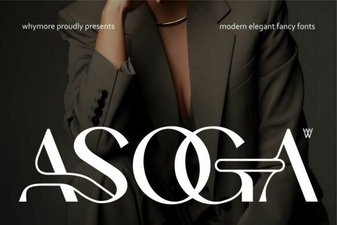 Asoga Font: Creative Design & Versatile Typography
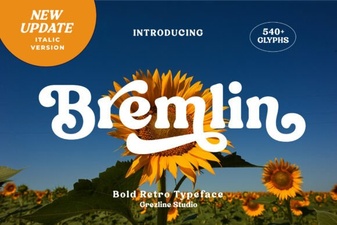 Bremlin Italic: Elegant Design & Creative Typography
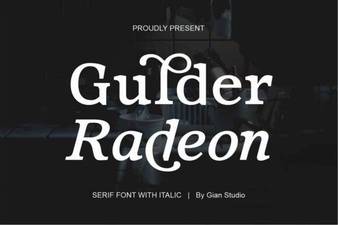 Gulder Radeon Font: Bold Design & Creative Typography
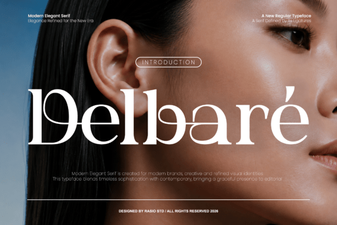 Delbare Font: Elegant Design for Creative Projects
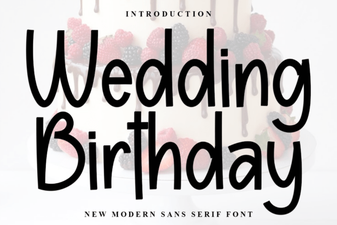 Elegant Wedding & Birthday Font Collection
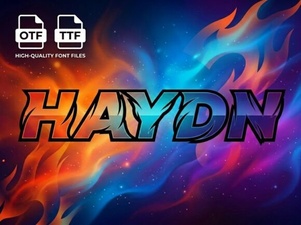 Haydn Font: Elegant & Versatile Design Inspiration